SEO and Web Design Integration: The Ultimate Growth Guide for 2026
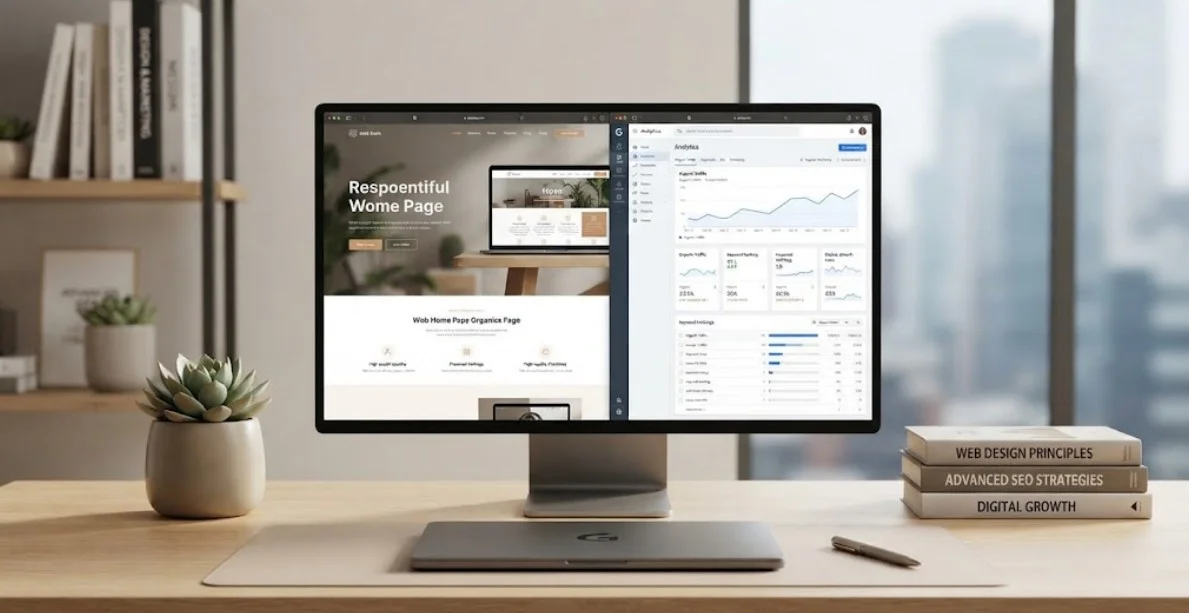
SEO and web design integration is no longer an optional strategy for businesses looking to scale their digital footprint in 2026. Google’s algorithms reward websites that seamlessly blend technical search optimization with exceptional user experience. When aesthetic layout works hand-in-hand with crawlable architecture, search engines can easily index your pages while human visitors enjoy effortless navigation, reduced bounce rates, and higher conversion potential.
Why Separating Design and SEO Destroys Your Digital ROI
Treating web design and search optimization as two completely isolated departments is one of the most damaging mistakes modern business owners can make.
Historically, companies would hire a creative agency to build a visually stunning website and only later bring in an SEO specialist to fix the resulting performance issues.
This fractured workflow frequently leads to bloated JavaScript code, heavy media files that crush mobile page speeds, missing metadata, and broken internal linking structures.
Search engines like Google prioritize user-centric metrics, meaning a breathtaking layout will fail to rank if underlying technical performance is sluggish or difficult for web crawlers to parse.
Modern digital architecture requires a holistic approach where visual hierarchy directly supports user intent and search engine comprehension. Google’s core ranking updates heavily emphasize the Page Experience update framework, core web vitals, and human-first content accessibility. When developers and marketers collaborate from day one, sites load faster, accessibility standards are met naturally, and structural elements like H1 tags and schema markup align perfectly with user queries.
Agencies specializing in comprehensive digital growth strategies, such as the team at Digital You, understand that visual appeal must complement technical performance rather than compete with it.
Furthermore, user behavior heavily dictates search rankings. If a prospective customer lands on a beautifully designed page but struggles to find the navigation menu or experiences layout shifts while images load, they will immediately bounce back to the search results.
Google interprets this negative user signal as a sign that your webpage failed to satisfy the search query. By integrating technical SEO directly into the wireframing and prototyping phases, you eliminate friction points before a single line of code goes live.
This synchronization guarantees that your target audience can seamlessly transition from discovering your brand via organic search to exploring your core services and initiating a conversion.
Core Insights on Modern Quality Standards
“In 2026, a website is no longer just a digital placeholder or an online business card; it is a dynamic, living ecosystem where search engine optimization and user experience must function as a single, indivisible entity.” — Industry Standards on Digital Architecture
Aligning your digital framework with modern quality standards requires a deep understanding of how search engine algorithms evaluate website authority and usability. Google’s algorithms have evolved far beyond simple keyword matching, utilizing advanced machine learning models to assess semantic relevance, page interactivity, and visual stability. When web designers incorporate SEO requirements early in the project lifecycle, they ensure that structural elements enhance readability rather than clutter the user interface.
Key Technical Pillars for Seamless Integration
-
Core Web Vitals Optimization: Prioritize Largest Contentful Paint (LCP), Interaction to Next Paint (INP), and Cumulative Layout Shift (CLS) during the initial wireframe stage.
-
Semantic HTML Structure: Utilize proper heading hierarchies (H1, H2, H3) to guide both human readers and search engine web crawlers through your content logically.
-
Mobile-First Responsive Design: Ensure fluid layouts, touch-friendly interactive elements, and identical content parity across mobile and desktop viewports.
-
Clean Code Architecture: Minimize heavy plugins, optimize cascading style sheets, and leverage modern image formats to maintain lightning-fast server response times.
Maintaining these technical standards directly impacts your organic visibility. For instance, when developers structure code with clean semantic tags, screen readers and search engine bots can easily parse your content hierarchy. This transparency helps Google understand the primary topic of your page, increasing the likelihood of ranking for competitive keyword variations. To explore how tailored digital solutions can elevate your online presence, feel free to visit our home page for more insights.
Key Steps to Evaluate and Hire the Right Professional
Navigating the freelance marketplace and agency landscape can feel overwhelming, especially when you need a partner who possesses expertise in both creative design and technical search optimization. Many traditional designers focus exclusively on aesthetics, while traditional SEO specialists may lack the frontend development skills required to fix layout-induced performance bottlenecks.
Finding a multidisciplinary professional or agency requires a strategic evaluation process focused on past portfolio performance, technical audits, and collaborative problem-solving capabilities.
Framework for Assessing Potential Digital Partners
-
Request Technical Case Studies: Ask potential agencies for concrete examples where their design updates directly improved organic traffic, search rankings, or conversion rates.
-
Evaluate Cross-Disciplinary Knowledge: Ensure the designer understands Core Web Vitals, mobile responsiveness, schema markup, and basic on-page SEO principles.
-
Review Communication and Workflow: Confirm that their development process involves SEO audits at the wireframe stage rather than as an afterthought before launch.
-
Examine Post-Launch Support: Verify whether they offer ongoing performance monitoring, security updates, and technical maintenance after the site goes live.
Collaborating with experts who view web design through an optimization lens ensures your investment yields long-term compounding returns. Whether you are launching a brand-new platform or revamping an existing digital asset, having a knowledgeable partner makes all the difference.
If you have specific questions about your upcoming project or need a professional assessment, reach out directly through our contact page to start a conversation.
External Resources for Further Learning
To deepen your understanding of modern search algorithms and web performance standards, explore these authoritative resources:
-
Learn the foundational principles of search engine crawling and indexing directly from the Google Search Central Blog.
-
Understand user experience guidelines and human-centric design frameworks through the Nielsen Norman Group Articles.
-
Track performance benchmarks and optimization strategies via Web.dev Performance Guides.
Final Thoughts
Choosing a web designer is a foundational step toward securing your brand’s digital future. By focusing on SEO and web design integration from the initial concept phase, you eliminate costly redesigns and set your business up for sustainable organic growth. Balancing visual appeal with technical excellence ensures that your website not only attracts visitors from search engines but also engages and converts them effectively.