Choosing a Web Designer: Guide for Business Growth
Choosing a web designer is one of the most critical decisions you will make for your digital footprint, directly impacting how potential customers perceive your credibility, navigate your pages, and convert into long-term clients.
Understanding the Evolution of Digital Architecture
Web design has transformed from a purely aesthetic exercise into a complex, multi-disciplinary science. Furthermore, modern development requires a meticulous balance between visual appeal, technical performance, and strict search engine guidelines. Consequently, business owners cannot afford to treat a website as a simple digital brochure. Instead, your platform functions as your primary 24/7 salesperson, brand ambassador, and lead generation engine. Therefore, when evaluating professionals, you must look beyond basic templates and examine how a developer approaches user experience, site architecture, and mobile responsiveness. If your current setup feels outdated or sluggish, exploring professional services can help you identify structural gaps before hiring someone for a complete overhaul. Additionally, aligning your visual layout with your broader marketing goals ensures that every pixel serves a distinct commercial purpose.
Core Insights on Modern Quality Standards
“In 2026, a website is no longer just a digital placeholder; it is an intelligent, high-speed ecosystem where user intent, accessibility, and algorithmic clarity intersect to drive sustainable business growth.”
The above perspective underscores why finding the right expert requires careful consideration of technical competencies rather than flashy portfolios alone. Modern platforms must satisfy core web vitals, seamless mobile interactions, and intuitive navigation paths.
Key Steps to Evaluate and Hire the Right Professional
Navigating the freelance marketplace and agency landscape can feel overwhelming. To simplify your search, follow this structured evaluation process:
-
Review Case Studies and Portfolio Metrics: Look for verifiable proof of past success, focusing on traffic growth, conversion rates, and mobile usability rather than just decorative layouts.
-
Assess Technical and SEO Knowledge: Ensure the designer understands core web vitals, schema markup, and clean code hierarchy so your site ranks well from day one.
-
Define Scope and Deliverables Early: Avoid scope creep by establishing clear timelines, revision rounds, ownership terms, and post-launch maintenance agreements.
-
Evaluate Communication and Workflow: A collaborative partner should provide transparent updates, invite regular feedback, and explain complex technical concepts simply.
Essential Questions to Ask Before Signing a Contract
Before committing financial resources, you need absolute clarity on how your project will be handled. Asking targeted questions prevents misunderstandings and aligns expectations regarding timelines, costs, and long-term maintenance.
Who owns the source code and website assets upon completion?
You must ensure that once final payment is made, full ownership of the domain, hosting accounts, custom code, and design files transfers directly to you. Some proprietary platforms lock you into their ecosystem, making future migrations difficult.
What is your process for mobile optimization and accessibility?
With mobile traffic dominating global web usage, your designer must adopt a mobile-first approach. Furthermore, compliance with modern web accessibility standards ensures your content remains usable for every visitor, reducing legal risks and expanding your audience reach.
Do you provide post-launch support and security updates?
Websites require continuous monitoring, plugin updates, and security patches. Clarify whether the designer offers retainer packages or if you will need to manage maintenance independently or through a specialized digital partner.
Common Pitfalls to Avoid During the Hiring Process
Many businesses fall into predictable traps when outsourcing their web development. Recognizing these red flags early saves you time, money, and frustration.
-
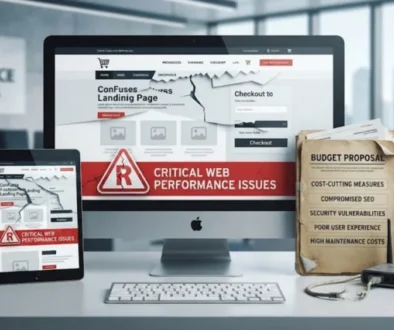
Choosing Solely Based on the Lowest Price: Cheap upfront quotes often lead to bloated code, poor security, hidden fees, and disastrous user experiences that hurt your brand.
-
Neglecting Mobile Performance: Prioritizing desktop aesthetics while ignoring mobile responsiveness will alienate a massive portion of your target audience.
-
Ignoring SEO Architecture: A visually stunning website is worthless if search engines cannot crawl it effectively due to poor heading structures or missing metadata.
Final Thoughts
Choosing a web designer is a foundational step toward securing your brand’s digital future. By focusing on technical proficiency, user experience, and strategic alignment rather than superficial aesthetics, you set your business up for sustained online visibility and higher conversion rates. Take your time, ask the right questions, and partner with professionals who genuinely understand your long-term growth objectives.