
Landing Page Optimization: Proven 2026 Blueprint for Higher Conversions
In 2026, Google’s updated Helpful Content policies and search guidelines strictly prioritize user experience, fast dynamic loading, clear intent, and helpful informational clarity over aggressive visual sales tactics. Modern landing page optimization focuses on lowering visitor friction, answering core questions immediately, and establishing transparent, authoritative value from the very second a user clicks through your search or ad listing.
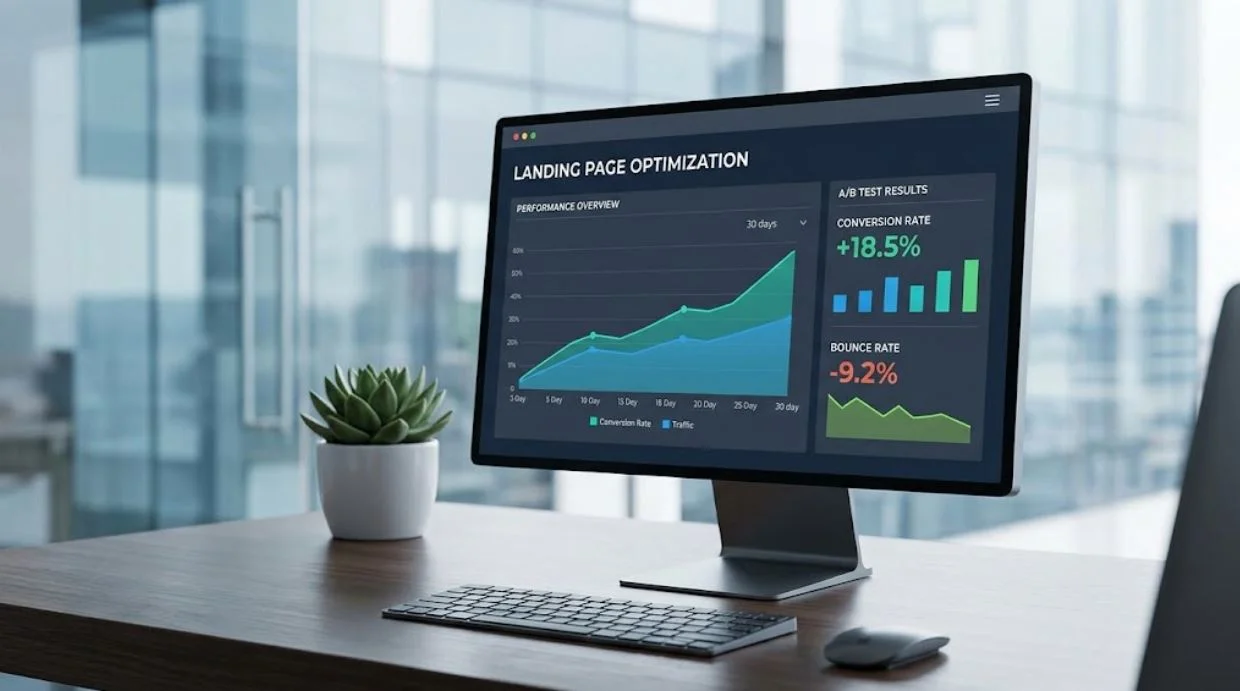
Why High-Converting Landing Pages Demand Modern Optimization Tactics
Optimizing a digital landing page requires balancing speed, clear intent, mobile layout responsiveness, and focused conversion elements. When visitors land on a page, they expect immediate relevance to their initial search query. If the page feels cluttered, loads slowly, or hides crucial details behind multi-step forms, user bounce rates spike rapidly. High-performing pages address visitor pain points right away, using scannable structure, helpful visuals, clear headlines, and zero distracting secondary links.
By stripping away unneeded elements, businesses keep visitors focused on one core objective. Whether you want a user to book an introductory call, request a custom quote, or purchase a service, every design element must support that action. In 2026, modern optimization incorporates fast server response times, responsive mobile-first layouts, and hyper-targeted copy that aligns directly with search intent. When messaging matches user expectations across paid search, organic search, and social media channels, lead conversion rates improve naturally while reducing overall customer acquisition costs.
Aligning Page Layouts with Modern Search Standards
Google emphasizes that search systems aim to present original, high-quality, and deeply helpful content designed to assist human users rather than manipulate search rankings.
“Google’s automated ranking systems are designed to present helpful, reliable information that’s created primarily to benefit people, not to gain search engine rankings.” — Google Search Central
Aligning your landing page strategy with this official stance means designing for user intent first. Pages that focus purely on ranking algorithms often confuse real humans with repetitive phrases and pushy calls to action. In contrast, pages crafted to answer genuine visitor questions build trust faster, earn better engagement signals, and maintain sustainable organic search performance over time.
Core Pillars of Landing Page Optimization
Successful pages use a structured layout to guide visitors through their decision-making process. Here are the core pillars that convert casual visitors into qualified leads:
1. Headline and Messaging Alignment
Your main headline must match the prompt or advertisement that brought the visitor to your site. Disconnects between ad copy and page titles lead to high bounce rates. Ensure your message communicates clear value within three seconds.
2. Streamlined Value Proposition
Explain clearly what makes your product or service the right choice. Use scannable bullet points and clear, natural language to highlight practical benefits rather than listing technical features alone.
3. Clear and Focused Call-to-Action (CTA)
A landing page should focus on a single primary goal. Multiple competing calls to action confuse users and divide their attention. Position primary CTAs prominently so users can easily take action on any device.
4. Fast Load Speeds and Mobile Responsiveness
Page load speed directly impacts user retention and conversion rates. Optimize image file sizes, clean up unnecessary scripts, and ensure your layout adapts smoothly across desktop, tablet, and mobile screens.
5. Trust Signals and Social Proof
Visitors need confidence before taking action. Include client testimonials, partner badges, industry certifications, or case study metrics to demonstrate proven results.
Technical Performance and Core Web Vitals
Technical execution plays a vital role in landing page performance. Search engines and real visitors both favor web pages that load quickly and remain visually stable as content renders.
Optimizing Visual Performance
-
Largest Contentful Paint (LCP): Keep main content rendering under 2.5 seconds by utilizing modern web formats like WebP, leveraging browser caching, and choosing responsive hosting infrastructures.
-
Interaction to Next Paint (INP): Ensure your page responds quickly to user taps, clicks, and form entries without frustrating visual delays.
-
Cumulative Layout Shift (CLS): Set explicit height and width dimensions for images, banners, and dynamic elements to prevent intrusive page jumping as content loads.
When site architecture runs smoothly on technical foundations—such as fast, responsive WordPress development built with clean code—conversion metrics improve across paid and organic campaigns alike.
Combining Paid Media and Organic Conversion Strategies
A great landing page serves both organic visitors and paid traffic. Balancing your traffic acquisition channels ensures maximum return on your marketing investment.
| Feature Category | Organic Traffic Focus | Paid Advertising Focus |
| Search Intent | Educational, detailed, and comprehensive answers | Direct, transactional, and task-focused solutions |
| Content Depth | Expanded explanatory sections and context | Focused, streamlined value messaging |
| Page Speed | Crucial for organic indexing and crawl budget | Essential for high Quality Scores and ad placement |
| Primary Goal | Building long-term authority and organic engagement | Immediate lead capture and conversion tracking |
Integrating targeted campaigns—like structured PPC advertising—with optimized pages keeps your acquisition pipeline efficient and measurable.
Practical Checklist for Optimizing Your Pages
Before launching a new landing page or updating an existing one, run through this practical checklist to ensure high usability and performance:
-
Verify Headline Match: Confirm your headline reflects the search query or ad text accurately.
-
Simplify Input Fields: Request only essential information on lead forms to minimize friction.
-
Test Mobile Spacing: Ensure buttons and touch targets are easy to click on smaller mobile screens.
-
Secure Page Infrastructure: Use SSL encryption (HTTPS) to reassure visitors their data is safe.
-
Set Up Conversion Tracking: Track form submissions, button clicks, and outbound actions accurately.
For businesses looking to integrate these optimizations into a broader growth plan, working alongside a comprehensive digital marketing service helps connect search visibility, page design, and conversion tracking into a single unified process.
Helpful External Resources for Further Learning
To stay informed on optimization standards, design practices, and web analytics, explore these respected industry resources:
-
Review official developer recommendations via Web.dev Performance Metrics to optimize technical site speed and Core Web Vitals.
-
Read detailed usability guidelines from the Nielsen Norman Group UX Research to refine site navigation and user interface design.
-
Consult the Google Search Central Documentation for official updates on site indexing, helpful content guidelines, and structured data standards.
Final Thoughts
Landing page optimization is an ongoing process of refinement, testing, and alignment with user needs. By focusing on fast loading speeds, clear value propositions, clean visual layouts, and transparent messaging, you build a reliable funnel that turns casual clicks into lasting customer relationships. Combining user-centered design with clean technical foundations ensures your web pages perform exceptionally across both organic search and targeted paid campaigns.