
The Future of E-commerce Website Design
Effective e-commerce website design serves as the digital storefront of modern retail, directly shaping user experience, trust, and conversion rates in an increasingly competitive online marketplace. As consumer expectations shift toward lightning-fast page speeds, intuitive navigation, and personalized shopping journeys, merchants must look beyond basic templates. Building a profitable online store requires a harmonious blend of technical performance, mobile-first responsiveness, and psychological triggers that guide visitors seamlessly from landing on a product page to completing a secure checkout.
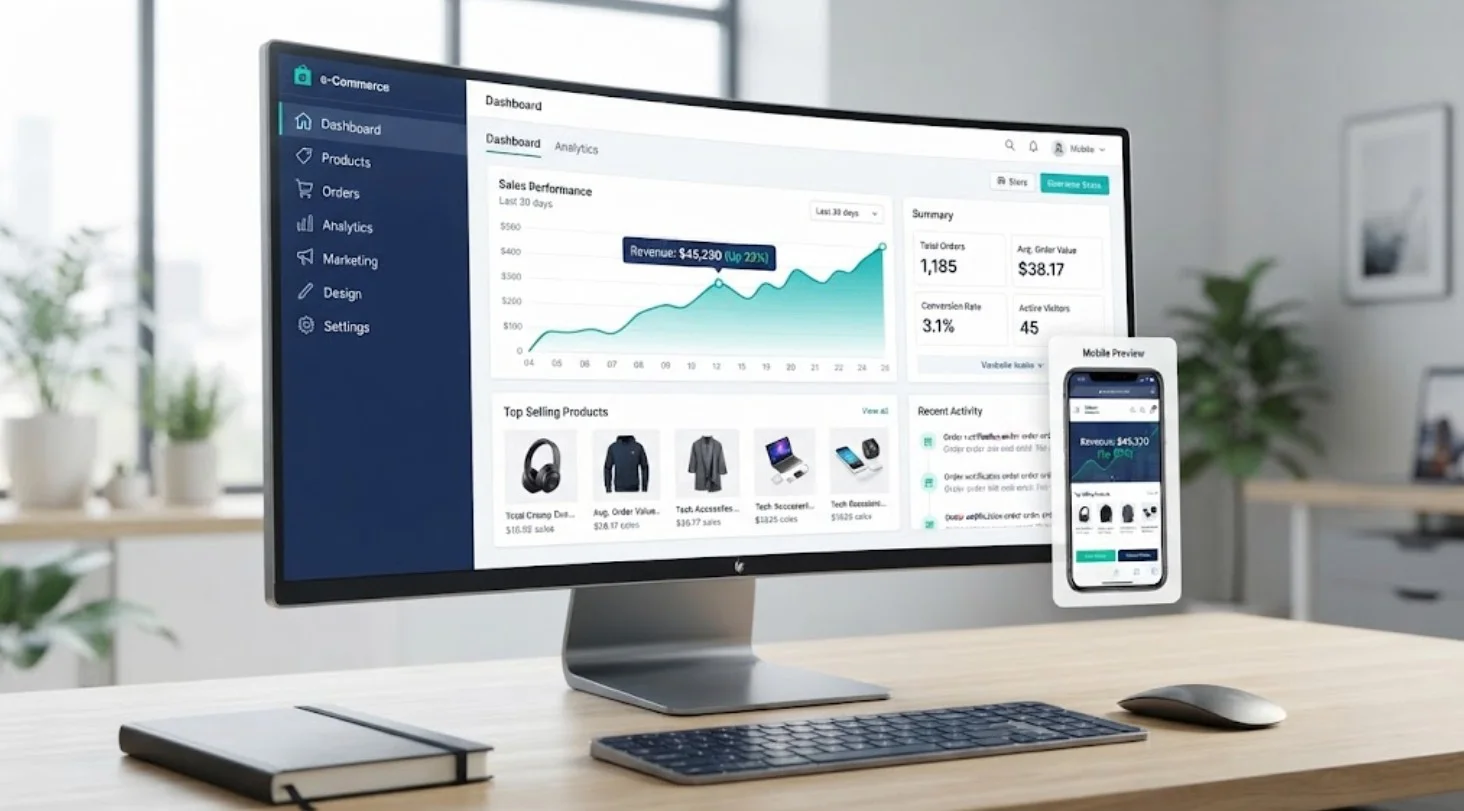
Effective e-commerce website design serves as the digital storefront of modern retail, directly shaping user experience, trust, and conversion rates in an increasingly competitive online marketplace. As consumer expectations shift toward lightning-fast page speeds, intuitive navigation, and personalized shopping journeys, merchants must look beyond basic templates. Building a profitable online store requires a harmonious blend of technical performance, mobile-first responsiveness, and psychological triggers that guide visitors seamlessly from landing on a product page to completing a secure checkout.
The Role of Core Web Vitals and Performance in Digital Retail
“As Google’s page experience algorithms and core ranking updates continue to mature, user-centric metrics like Largest Contentful Paint and Interaction to Next Paint are non-negotiable baselines. A visually stunning online store means very little for your bottom line if slow server response times and bloated scripts cause potential buyers to abandon their carts before the product catalog even finishes rendering.”
Performance optimization directly impacts your return on ad spend and organic search visibility. When running paid campaigns or driving traffic via search engines, every millisecond of latency cuts directly into your conversion rate. To maintain peak performance, developers must optimize media assets by serving next-gen image formats like WebP, implementing lazy loading for below-the-fold content, and leveraging content delivery networks (CDNs) to reduce server response times globally.
-
Performance Metric Recommended Threshold Impact on E-commerce Largest Contentful Paint (LCP) Under 2.5 seconds Ensures main product imagery renders quickly for eager shoppers. Interaction to Next Paint (INP) Under 200 milliseconds Guarantees instant response when users click “Add to Cart” or filter items. Cumulative Layout Shift (CLS) Less than 0.1 Prevents accidental clicks by stabilizing layout elements as ads or fonts load. Streamlining the Checkout Journey
The final leg of the user journey—the checkout funnel—is where most stores lose potential revenue. Complex multi-page forms, forced account creation, and unexpected shipping fees calculated at the very last step are primary drivers of cart abandonment. Implementing guest checkout options, progress indicators, and autofill capabilities transforms a frustrating chore into a smooth, frictionless transaction.
Integrating flexible payment gateways such as Apple Pay, Google Pay, and buy-now-pay-later (BNPL) services caters to modern consumer preferences, providing the convenience needed to finalize purchases instantly. If you need professional assistance structuring your online store’s layout and checkout flows, consider exploring the comprehensive solutions available on our Services page to see how we build high-performing digital platforms.
Strategic SEO Integration and Content Structuring for Online Stores
Driving consistent organic traffic to an online catalog requires more than just listing products with basic descriptions. Technical SEO and on-page optimization must be woven directly into the foundational framework of your site. This includes structuring clean URL slugs, implementing schema markup for products and reviews so Google can display rich snippets in search results, and writing unique, keyword-rich meta tags for every category and product page.
-
Keyword Integration: Naturally blend primary and Latent Semantic Indexing (LSI) terms into product descriptions, H2/H3 subheadings, and alt text for images without keyword stuffing.
-
Internal Linking Silos: Connect related blog articles back to core product categories, and link product pages back to educational guides to build topical authority.
-
Duplicate Content Prevention: Utilize canonical tags effectively across filtered product views and faceted navigation to prevent search engines from indexing redundant URLs.
For a deeper dive into optimizing your digital footprint, you can read expert insights on structured optimization practices provided by industry leaders like Search Engine Journal, Moz Beginner’s Guide to SEO, and Ahrefs Blog. Combining technical rigor with high-value content ensures your store remains visible against fierce competition.
-
Final Thoughts
Mastering e-commerce website design requires an ongoing commitment to technical excellence, user-centric performance, and strategic search optimization. As digital commerce continues to evolve, businesses that prioritize lightning-fast page speeds, seamless mobile checkouts, and clean architectural foundations will capture higher market share and foster long-term customer loyalty. Whether you are launching a brand-new store from scratch or revamping an existing digital catalog, aligning your web development strategy with modern user expectations ensures sustainable, scalable growth for years to come. To explore how we can elevate your brand’s digital presence, visit our Home page today.