Graphic Design for Marketing: Guide to High-Converting Visuals
Graphic design for marketing forms the fundamental bridge between a brand’s message and its target audience. According to Google Search Central quality standards, helpful digital content must provide genuine value, prioritize user engagement, and deliver clear solutions. Consequently, modern businesses rely heavily on strategic visual elements to capture quick attention across highly competitive online and offline channels.

Strategic Visual Design for Business Growth
In today’s fast-paced digital ecosystem, consumers process visual information in a fraction of a second. Because attention spans continue to drop across ad channels, strategic graphic design acts as the primary tool for driving user engagement, building brand recognition, and maximizing conversion rates.
However, creating impactful graphics requires a balance between creative storytelling and analytical performance testing.
Furthermore, modern digital marketing relies on consistent visual language across every touchpoint.
Therefore, businesses that invest in professional visual assets establish higher trust with potential clients. When your branding looks professional, your conversion rates naturally increase across organic search, social platforms, and paid ad channels.
The Power of Visual Storytelling in Marketing
Google’s search guidelines state: “Creating helpful, reliable, people-first content requires providing original information, clear expertise, and high-quality presentation that satisfies user intent directly.”
Consequently, high-quality graphics fulfill this exact requirement by transforming complex information into readable, engaging visual assets.
-
-
Why Graphic Design for Marketing Is Essential for Conversions
Graphic design for marketing goes far beyond making a website or social media post look pretty. Instead, it serves a clear psychological function in the customer purchasing journey. When prospective buyers visit your landing pages or click on your pay-per-click advertising, the visual layout guides their attention directly to your call-to-action.
1. Instant Brand Recognition
Consistent use of typography, color schemes, and logo placement allows audiences to identify your brand instantly. Over time, this visual consistency builds long-term familiarity and trust.
2. Higher Click-Through Rates (CTR)
Ad campaigns with clean, high-contrast visual design yield significantly higher click-through rates. Consequently, your advertising dollars deliver a much better return on investment.
3. Clear Information Hierarchy
Good graphic design uses scale and contrast to organize information logically. Therefore, readers can easily skim your content, absorb key points, and take the next intended step.
Key Components of High-Performing Marketing Design
To build marketing collateral that generates actual revenue, designers and marketers must collaborate on several core creative elements.
Design Element Marketing Role Business Impact Color Palette Triggers psychological responses Boosts brand recognition by up to 80% Typography Improves readability & brand voice Keeps users on site longer Visual Hierarchy Guides eyes to key value props Directs users smoothly toward CTAs Custom Imagery Replaces generic stock photos Builds real authenticity and trust Color Psychology in Advertising
Colors elicit subconscious emotional responses from viewers. For example, blue conveys security and trust, while red creates urgency. Choosing the right palette aligns your visual design with customer expectations.
Typography for Readability
Typography must be legible on both mobile devices and desktop monitors. Using custom fonts can reinforce your brand persona, but functional readability should always take priority over complex lettering.
Types of Graphic Design Used in Modern Marketing
Marketing teams leverage different types of graphic design depending on the campaign goals and distribution channels.
1. Digital & Web Graphics
Web graphics include website banners, landing page layouts, blog headers, and interactive UI assets. These graphics must load quickly to prevent bounce rates while maintaining high visual quality.
2. Social Media Creatives
Social platforms require eye-catching, scroll-stopping visuals. These include Instagram carousels, Facebook ad banners, LinkedIn infographics, and YouTube thumbnails.
3. Print & Branding Assets
Even in a digital-first world, print materials remain critical for localized marketing. Business cards, brochures, trade show banners, and product packaging establish physical credibility.
Integrating Graphic Design into Your Marketing Strategy
To maximize the impact of graphic design for marketing, follow a structured process that aligns creative assets directly with your broader campaigns.
Step 1: Define Strategic Goals
Before designing anything, identify what you want the visual asset to achieve. Are you aiming to drive sales, generate newsletter leads, or raise brand awareness?
Step 2: Maintain Brand Consistency
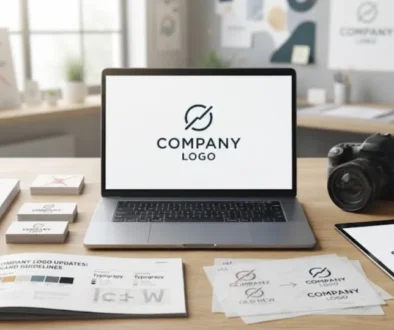
Create a comprehensive style guide that defines your logo usage, color palettes, fonts, and image guidelines. This ensures every piece of collateral looks unified across all platforms.
Step 3: Test and Optimize Visuals
Run A/B tests on your ad creatives and landing page graphics. Test different visual hooks, button colors, and layouts to discover what resonates best with your audience.
Internal Linking & Website Strategy Suggestions
To optimize your site architecture and improve search engine rankings, integrate internal links naturally throughout your content.
-
Home Page Context: Connect graphic design strategies directly to your core business identity on the Digital You Home Page.
-
Services Page Context: Highlight how visual creative solutions integrate with complete digital growth campaigns on the Digital You Services Page.
-
Contact Page Context: Direct readers looking for custom visual branding directly to the Digital You Contact Page.
-
-
Final Thoughts
Strategic graphic design for marketing is an essential driver of modern digital growth. When you combine high-quality visual creative with data-driven marketing strategies, your brand gains higher visibility, stronger customer trust, and sustainable conversion performance. Focus on maintaining absolute visual consistency, optimizing assets for user accessibility, and testing your creative materials continuously to achieve long-term success.